
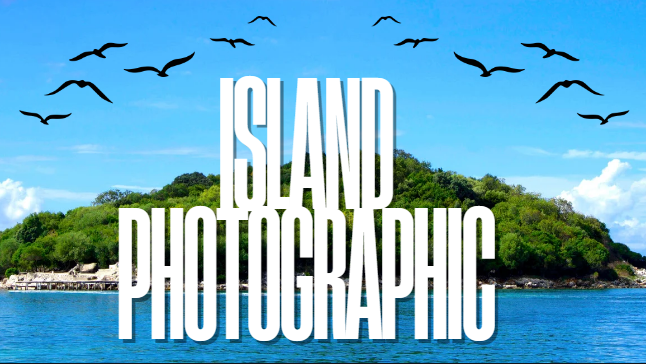
Island Photographic brings together the beauty of island landscapes, tropical beaches, coastal scenery, and unforgettable travel experiences through photography. Islands offer some of the most attractive subjects for photographers, including turquoise water, sandy beaches, green forests, colorful sunsets, and traditional coastal communities.
Island Photographic Whether you are a professional photographer, a travel blogger, or someone who enjoys taking pictures with a smartphone, island photography provides endless creative opportunities. Capturing these scenes requires an understanding of lighting, composition, colors, and the natural environment.
With the right techniques and preparation, photographers can create images that communicate the atmosphere and character of an island.
What Is Island Photo graphics?
Island photo graphics refers to photography focused on islands, their landscapes, wildlife, people, and surrounding environments. It can cover everything from peaceful beach scenes to dramatic cliffs and vibrant local festivals.
Photographers often use this style to document travel experiences, promote tourism, create artistic collections, or preserve memories of special destinations.
Island Photographic has its own visual identity, historic buildings, or Exploring these differences helps photographers create distinctive images instead of relying on the same beach photographs.
ALSO READ John F Kennedy photographs https://trndzoo.com/
Popular Types of Island Photo graphics
1. Island Landscape Photography
Landscape photography captures the natural beauty of islands. Mountains, coastlines, forests, lagoons, and rocky cliffs can all become compelling subjects.
To create balanced compositions, Island Photographic look for natural lines, interesting foreground objects, and layers of scenery. A rock formation, pathway, or palm tree can help guide the viewer’s attention through the image.
2. Beach and Sunset Photography
Beaches are among the most popular subjects in island photo graphics. Gentle waves, wet sand, colorful skies, and reflections can create visually appealing compositions.
Sunrise and sunset often provide softer light and warmer colors than midday sunlight. During these periods, photographers can capture silhouettes, reflections, and changing colors across the water.
Island Photographic Experiment with different angles and compositions to make each photograph unique.
3. Wildlife and Nature Photography
Many islands support distinctive wildlife, including seabirds, marine animals, reptiles, and Island Photographic tropical plants. Nature photography can help document these species and encourage appreciation for their habitats.
Use an appropriate lens when photographing animals from a distance. Avoid disturbing wildlife, approaching nesting areas, or touching sensitive marine environments.
Island Photographic Responsible photography protects both the subject and the natural setting.
4. Underwater Island Photography
Clear tropical water can provide Island Photographic opportunities to photograph coral reefs, colorful fish, and underwater landscapes. Underwater cameras and waterproof housings can help protect equipment.
Water conditions, visibility, and lighting affect image quality Never touch coral or chase marine animals to obtain a photograph.
5. Aerial and Drone Photography
Aerial photography reveals Island Photographic coastlines, reefs, and patterns that may not be visible from the ground. Drones can capture impressive views of beaches, boats, and coastal landscapes.
Best Equipment for Island Photo graphics
You do not need expensive equipment to begin island photography. The best setup depends on your experience, budget, and preferred subjects.
Consider bringing the following items:
Island Photographic Choose equipment you can use confidently.
Wide-angle lens:
Island Photographic Useful for landscapes and expansive coastal scenes.
Telephoto lens:
Island Photographic Helps photograph distant wildlife and landscape details.
Tripod:
Island Photographic Supports stable images in low light and during long exposures.
Extra batteries:
Island Photographic Useful for long photography sessions.
Waterproof protection:
Island Photographic Helps protect equipment from splashes, sand, and humidity.
Cleaning cloth:
Removes fingerprints, dust, and salt spray from equipment.
Pack only what Island Photographic you need and keep equipment protected from moisture and fine sand.
Island Photo graphics Tips for Better Pictures
Choose the Right Time
Island Photographic Early morning and late afternoon often provide softer lighting. Midday sunlight can produce harsh shadows, so look for shade or use the light creatively.
Use Natural Composition
Apply the rule of thirds, leading lines, and foreground interest to create balanced images. Island Photographic Try different perspectives instead of photographing every scene at eye level.
Capture Local Culture
Island photography is not limited to landscapes. Markets, traditional buildings, fishing boats, local crafts, and community celebrations can tell meaningful stories about a destination.
Always respect people’s privacy and ask permission when appropriate.
Protect Your Equipment
Saltwater, humidity, and sand can damage Island Photographic. Use protective bags, avoid changing lenses in windy or sandy conditions, and clean your equipment carefully after coastal sessions.
Edit Images Carefully
Photo-editing software can help adjust exposure, contrast, white balance, Island Photographic and color. Keep edits natural enough to preserve the appearance of the original scene.
How Island Photo graphics Supports Travel and Tourism
Photographs should not mislead viewers about a destination’s conditions, accessibility, or natural appearance.
Conclusion
Island Photographic offers a creative way to explore coastal landscapes, wildlife, local culture, and tropical environments. From sunset scenes and underwater images to aerial views and traditional village photography, islands provide many opportunities for compelling pictures.
Island Photographic By choosing suitable equipment, understanding natural light, practicing composition, and respecting the environment, photographers can improve their skills and capture meaningful images. Whether you are traveling professionally or taking pictures for personal enjoyment, island photography can help preserve the beauty and character of remarkable destinations.
FAQs
- What is Island Photo graphics?
Island photo graphics refers to photography featuring island landscapes, beaches, wildlife, local communities, and surrounding coastal environments.
- What camera is best for island photography?
A smartphone, mirror less camera, or DSLR can work well. Choose equipment that suits your budget and the type of photographs you want to capture.
- When is the best time to photograph islands?
Early morning and late afternoon often provide soft, attractive lighting. Weather and local conditions can also influence the best time.
- Can I use a smartphone for island photo graphics?
Yes. Modern smartphones can capture high-quality island photographs, especially when you pay attention to lighting, composition, and stability.
- How can I protect my camera at the beach?
Use protective bags, keep equipment away from splashing water and sand, and clean it carefully after use. Avoid exposing equipment to saltwater.
- Is drone photography useful for islands?
Yes. Drones can capture coastlines and landscapes from unusual perspectives, provided you follow local flight regulations and safety requirements.
- How can I improve my island photography skills?
Practice different compositions, experiment with natural light, study professional photographs, and review your images to identify areas for improvement.
- Can island photo graphics help a travel business?
Yes. High-quality photography can showcase destinations, accommodations, activities, and local culture, helping travel businesses communicate their offerings to potential visitors.
1 thought on “Island Photographic : A Complete Guide to Island Photography”