
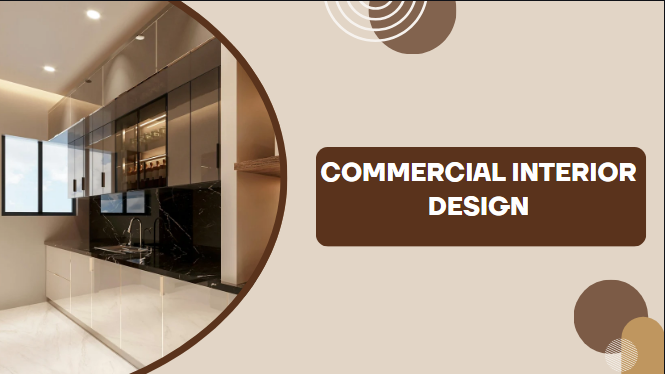
Commercial interior design is the process of planning and decorating indoor spaces used for business activities. It focuses on creating attractive, comfortable, practical, and professional environments that support employees, customers, and visitors. Offices, restaurants, retail stores, hotels, clinics, and shopping centers can all benefit from thoughtful commercial interior design.
A well-designed commercial space can strengthen a company’s brand image, improve customer experiences, and make everyday operations more efficient. From choosing furniture and lighting to planning layouts and selecting materials, every design decision contributes to the overall atmosphere of a business.
In this guide, we will explore the importance of commercial interior design, popular design ideas, essential elements, and practical tips for creating an effective business environment.
What Is Commercial Interior Design?
Commercial interior design involves organizing and improving indoor spaces according to a business’s goals and requirements. Unlike residential design, which focuses primarily on personal comfort, commercial design must also consider customer behavior, employee productivity, safety, accessibility, and business operations.
Professional designers work with business owners to understand their needs, available space, budget, and brand identity. They may develop floor plans, recommend furniture, select finishes, plan lighting, and coordinate with contractors.
The Commercial interior design should balance visual appeal with functionality so that the space looks professional and serves its intended purpose.
ALSO READ Interior design styles https://trndzoo.com/interior-design-styles/#more-564
Importance of Commercial Interior Design
1. Creates a Professional First Impression
Commercial interior design form an impression of a business when they enter its premises. A clean reception area, coordinated colors, attractive furniture, and suitable lighting can communicate professionalism and attention to detail.
For example, a well-organized hotel lobby can make guests feel welcome, while an attractive retail store can encourage shoppers to explore its products.
2. Improves Employee Productivity
A thoughtfully Commercial interior design workplace can support concentration, communication, and comfort. Comfortable chairs, suitable desks, organized storage, and adequate lighting help employees perform their daily tasks more effectively.
Businesses can also create separate areas for focused work, meetings, and collaboration to accommodate different working styles.
3. Strengthens Brand Identity
Commercial interior design can reflect a company’s personality through colors, materials, signage, furniture, and decorative elements. A creative agency might use colorful furniture and flexible meeting areas, while a law firm may prefer a more traditional and formal appearance.
Consistent branding helps customers recognize and remember a business.
4. Uses Available Space Efficiently
Commercial interior design Good space planning helps businesses make the most of their available floor area. Designers consider movement, furniture placement, storage, and customer access when developing a layout.
Efficient planning can reduce unnecessary clutter and create a more comfortable environment for employees and visitors.
Popular Types of Commercial Interior Design
Office Interior Design
Office Commercial interior design focuses on creating productive and comfortable workplaces. Common features include ergonomic furniture, meeting rooms, collaborative workstations, private offices, and organized storage.
Modern offices may also include quiet rooms and flexible work areas to support different tasks.
Retail Store Interior Design
Retail Commercial interior design aims to display products effectively and create an enjoyable shopping experience. Designers consider shelving, product placement, lighting, signage, and customer circulation.
A well-planned store makes it easier for customers to find products while maintaining a consistent brand image.
Restaurant Interior Design
Restaurant design combines atmosphere, comfort, and practical operations. Seating arrangements, lighting, furniture, wall finishes, and acoustics influence the dining experience.
Commercial interior design must also consider staff movement, service areas, accessibility, and appropriate hygiene requirements.
Hotel Interior Design
Commercial interior design Hotels require carefully planned guest rooms, reception areas, corridors, lounges, and dining spaces. Comfortable furniture, durable materials, attractive lighting, and clear navigation help create a welcoming environment.
Healthcare Interior Design
Clinics and healthcare facilities need Commercial interior design that support patient comfort, privacy, accessibility, and efficient staff workflows. Easy-to-clean surfaces, clear signage, suitable lighting, and thoughtful waiting areas are important considerations.
Essential Elements of Commercial Interior Design
Commercial interior design Several elements contribute to a successful commercial space.
Lighting:
Commercial interior design Natural and artificial lighting should support the activities performed in each area. Offices need appropriate task lighting, while restaurants may use softer lighting to create a relaxed atmosphere.
Color selection:
Commercial interior design Colors influence the appearance and mood of a space. Neutral colors can create a professional environment, while selected accent colors can reinforce brand identity.
Furniture:
Commercial interior design should balance comfort, durability, appearance, and functionality. Furniture choices should match the room’s dimensions and intended use.
Flooring and materials:
Commercial interior design Businesses need materials that suit their budgets, appearance preferences, maintenance requirements, and expected foot traffic.
Technology:
Commercial interior design Modern commercial spaces may incorporate video conferencing systems, digital displays, smart lighting, and convenient power outlets.
Accessibility and safety:
Commercial interior design Layouts should provide appropriate circulation, accessible routes, safe exits, and compliance with relevant building and fire regulations.
Tips for Planning a Commercial Interior Design Project
Commercial interior design Start by identifying the purpose of your space and the needs of employees and customers. Establish a realistic budget that includes design fees, furniture, materials, installation, and a contingency for unexpected expenses.
Next, develop a practical floor plan before purchasing furniture or beginning construction. Choose Commercial interior design a design style that complements your brand, and prioritize durable materials that are easy to maintain.
It is also important to work with qualified designers and contractors when the project involves structural changes, electrical work, plumbing, or specialized safety requirements.
Finally, Commercial interior design review the proposed design before implementation. Confirm dimensions, material selections, delivery schedules, and project responsibilities to reduce delays and unnecessary expenses.
Benefits of Hiring a Commercial Interior Designer
A professional commercial interior designer can help translate business goals into a practical design plan. They can identify space-planning opportunities, recommend suitable materials, coordinate visual elements, and help avoid costly purchasing mistakes.
Commercial interior design Depending on the agreement, a designer may also coordinate with contractors, prepare drawings, assist with furniture selection, and monitor project progress.
Before hiring a designer, review their portfolio, experience with similar commercial properties, references, fees, and scope of services.
Conclusion
Commercial interior design is an important investment for businesses that want attractive, practical, and professional environments. Whether you are planning an office, restaurant, retail store, hotel, or healthcare facility, a well-designed interior can support your operations and improve the experience of employees and customers.
By focusing on space planning, lighting, furniture, materials, accessibility, and brand identity, businesses can create spaces that meet their needs. Careful budgeting and collaboration with qualified professionals can help turn your commercial interior design ideas into a successful project.
FAQs
- What is commercial interior design?
Commercial interior design involves planning and improving indoor business spaces such as offices, stores, restaurants, hotels, and clinics.
- Why is commercial interior design important?
It can improve the appearance of a business, support employee comfort, strengthen brand identity, and make better use of available space.
- How much does commercial interior design cost?
Costs depend on the location, floor area, project complexity, materials, furniture, and professional fees. Request a detailed quotation based on your specific requirements.
- How long does a commercial interior design project take?
A small refresh may take a few weeks, while a large renovation can take several months or longer. Planning, approvals, material availability, and construction affect the schedule.
- What is the difference between residential and commercial interior design?
Residential design primarily addresses household needs and personal comfort. Commercial design also considers business operations, customer experience, employee workflows, durability, and accessibility.
- Can commercial interior design improve business performance?
It can support a better customer experience, more efficient workflows, and a stronger brand image. Actual business results depend on many factors beyond interior design.
- How do I choose the right commercial interior designer?
Look for relevant experience, a strong portfolio, positive client references, clear pricing, and an understanding of your business requirements.
1 thought on “Commercial Interior Design: A Complete Guide to Modern Business Spaces”